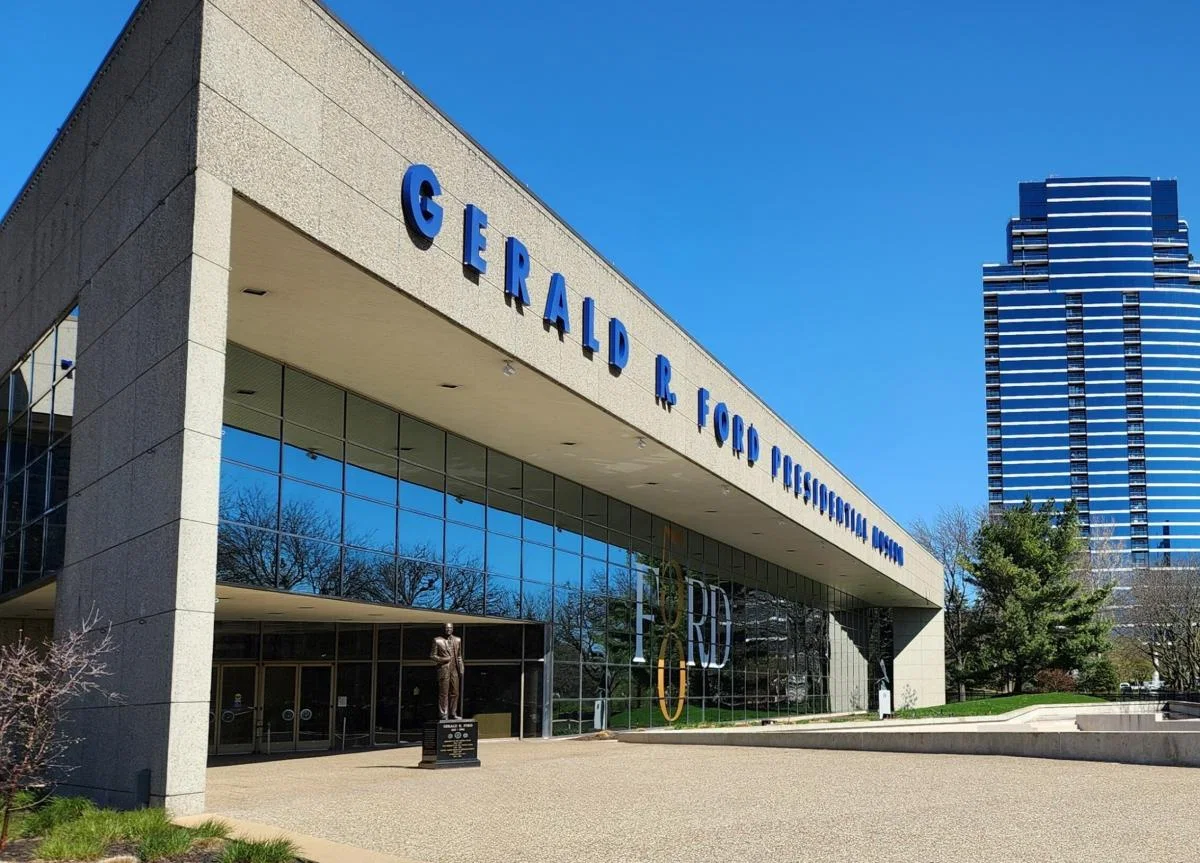
Gerald R.
Gerald R. Current venue notes for Gerald R. Ford Presidential Museum should be reviewed for access, service ordering, room setup, and move-out expectations before the install schedule is finalized.
That is why Gerald R. Ford Presidential Museum has to be planned as working event infrastructure instead of a loose idea.
Early planning also protects the budget.
The same discipline improves repeatability.
Venue planning snapshot
- Grand Rapids museum event venue venue for prestige receptions.
- Plan access, service ordering, utilities, labor timing, and move-out around current venue instructions for Gerald R. Ford Presidential Museum.
- Keep freight timing, material handling, show-site supervision, and outbound shipping inside one coordinated project schedule.
Gerald R. Ford Presidential Museum execution priorities
- Review Gerald R. Ford Presidential Museum requirements early so labor, freight, graphics, AV, and service orders match the building from day one.
- Sequence install so flooring, structure, graphics, lighting, and testing do not collide on the floor.
- Map strike around outbound paperwork, return freight, and asset recovery before show close.
Gerald R. Ford Presidential Museum at a glance
The facility is a 54,000-square-foot educational and cultural venue on the Grand River in downtown Grand Rapids.
Its main lobby can host a standing reception for 250 and the auditorium seats 254.
The building suits prestige receptions, board meetings, executive dinners, museum offsites.
On any the museum project, the first step is pulling the current exhibitor manual and confirming the service-order deadlines, dock windows, and any rigging approval path. Design decisions come after those are locked.
Line items on a typical project
Individual projects layer or remove items based on scope.
The handoffs on a project at the museum matter almost as much as the line items. Design has to hand a build-ready drawing to fabrication. Every handoff is a place quality can drop.
Those run alongside the engagement rather than inside it.
Grand Rapids labor and venue services
At Grand Rapids Downtown Market, the venue uses exclusive full-service caterers, so public.
For DeVos Place programs, exhibitors should expect advance planning documents, named service partners, and campus-specific coordination requirements. Across West Michigan, many hotels, museums, gardens, markets, and civic venues route food service, AV, staffing, or rentals through venue teams or approved providers.
Grand Rapids as a trade show city
Scope gets tighter; standards don't.
DeVos Place offers more than 240,000 square feet of convention, ballroom, and meeting space and connects by skywalk to three hotels, five parking structures, and Van Andel Arena.
The process from start to finish
Once scope is clear, the venue work begins.
One named show-site lead runs the install.
That document drives the next booking.
Cost and lead time
Cost scales with how it is built, how big it is, what the venue charges for its own services, what the graphics look like, how far the crates travel, and how many days the team stays on-site.
Rental programs run on 8 to 12.
What a successful project looks like
Trade show ROI is measured at the lead and pipeline level.
The post-show debrief is where the numbers get connected back to the physical booth. Which demo station drew traffic, which meeting area closed more conversations, which graphic zone attracted dwell time — that feedback shapes the next build rather than getting lost.
Why Trade Show Services of Grand Rapids
Local fabrication means real-time problem-solving. A graphic that needs to be reprinted at 6 a.m.
Clients who run repeat programs across multiple dates end up paying less per event when the same team handles everything. Less re-briefing, less re-training, less re-checking — the operational overhead drops year over year.
Questions about Gerald R. Ford Presidential Museum
How does labor work in Grand Rapids?
It runs venue by venue.
How much lead time is ideal?
Custom builds run best with 16 to 20 weeks of lead time. Rentals take 8 to 12 weeks.
What information kicks off a project?
The show, the venue, the booth number, the dates, and a target budget range. From those, an initial scope and a realistic cost come back within a few days.
Who runs the booth on-site?
One named show-site lead runs the install, the show hours, and the strike. That person carries the floor plan and the punch list from crates to doors and reports up once a day.
Can the booth travel to the next city on our calendar?
Same structure, swappable graphics, standard crates.
What happens if something breaks during show hours?
The on-site lead handles it.