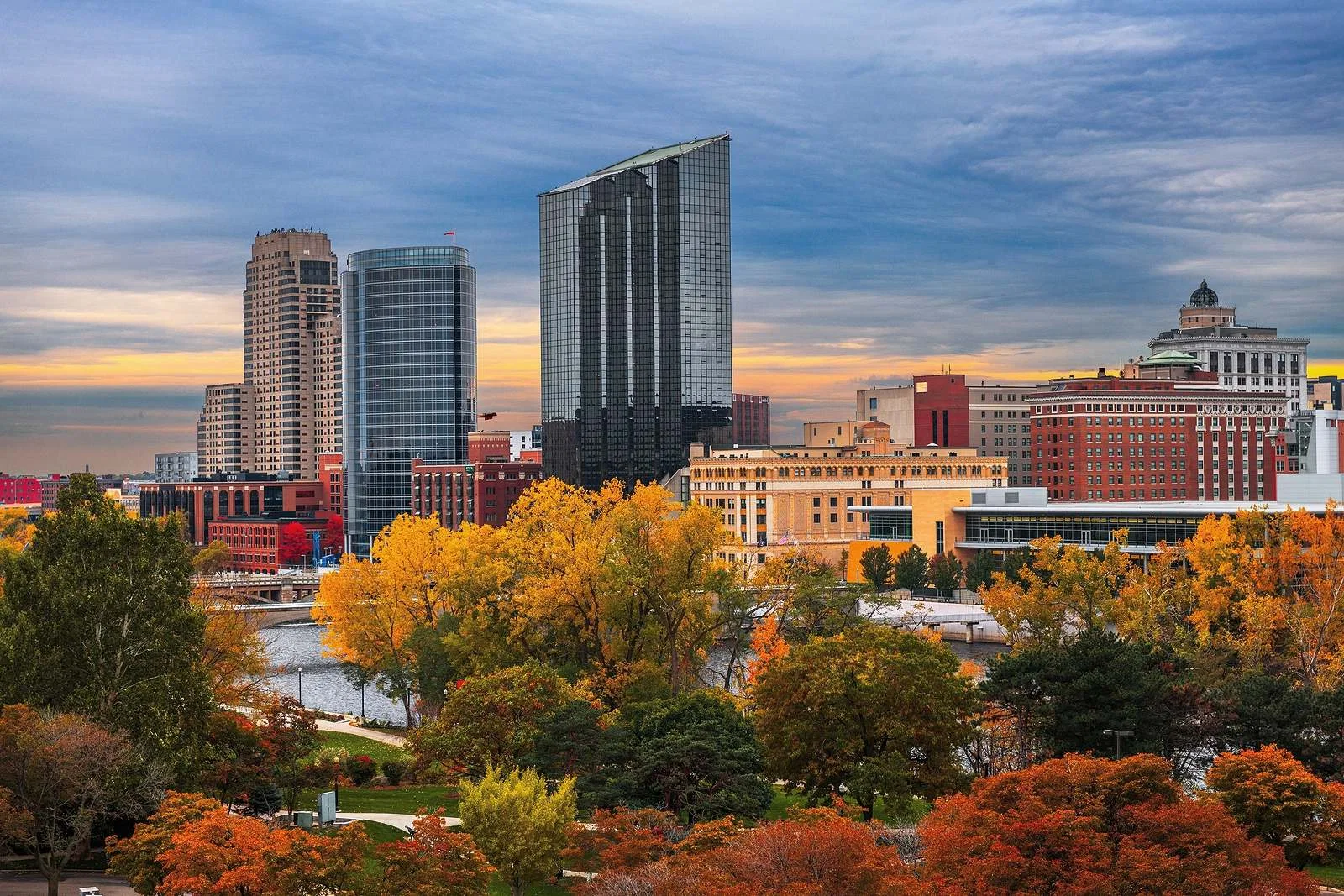
The rapids matters for the same reason. Walkable convention district and hotel core.
Registration Area and Entry Experiences becomes more valuable when the schedule is already under pressure. Rather than treating booth work, technical production, warehouse handling, and venue coordination as separate issues, the stronger approach is to keep them inside one shared project plan with named owners and visible deadlines.
Early planning also protects the budget.
The same discipline improves repeatability.
Downtown Grand Rapids execution priorities
- Plan Downtown Grand Rapids around nearby venues, hotel flow, truck routing, parking pressure, and the wider West Michigan event calendar.
- Build one shared schedule for freight arrival, crew call, exhibitor access, show hours, and move-out.
- Use corridor travel time and district constraints when assigning labor, storage, and supervision.
- Coordinate venue approvals, graphics delivery, and dock timing before any live dates are locked.
- Protect contingency windows for weather, downtown congestion, or multi-stop programs.
Downtown Grand Rapids — what the area looks like for events
The rapids is part of the Grand Rapids event market. Shows and meetings book here alongside the larger Grand Rapids calendar.
Downtown Grand Rapids sits in the Downtown Convention Campus area.
Production for the rapids shows starts with the same brief we run for the rest of Grand Rapids: venue specifics, show dates, footprint, outcome. Freight paths and local vendor availability are the variables that shift from the city core.
What drives the Grand Rapids calendar
Grand Rapids is a working trade show market.
Scope gets tighter; standards don't.
Offsite Receptions and Museum Events is one of the sectors that shapes the Grand Rapids calendar.
What makes our work different
The difference from a national vendor shows up at the dock.
Over a multi-show calendar, the compound value of a single team shows up in fewer surprises. The second install is faster than the first, the third is faster than the second, and by the fourth the project runs on memory and documentation rather than first-principles planning.
Grand Rapids venues we work
The Goei Center is one of the anchors.
The Cheney Place: the venue occupies the 20,000-square-foot former Cheney Talking Machine Factory.
Operational rules on the Grand Rapids floor
Grand Rapids Public Museum — GRPM's rental section and guidelines say outside entertainment and rental items must be approved through the museum's Hospitality Office and that food service must use pre-authorized caterers.
Practical planning rules for the rapids in Grand Rapids: Grand Rapids venue rules change by property, organizer, and event format. For DeVos Place programs, exhibitors should expect advance planning documents, named service partners, and campus-specific coordination requirements.
Line items on a typical project
The handoffs on a project in the rapids matter almost as much as the line items. Design has to hand a build-ready drawing to fabrication. Every handoff is a place quality can drop.
Those run alongside the engagement rather than inside it.
What an engagement actually looks like
Everything downstream hinges on those answers.
Venue coordination comes next.
With venue details locked, production runs.
The install phase has one owner on the floor.
During show hours, the booth is a live operating space.
Pricing and scheduling
The levers that matter: build path (custom, rental, or hybrid), footprint, venue service fees, graphics, freight, and supervision days. A 10x10 turnkey rental and a 30x50 custom island with a double deck are entirely different projects.
A clean schedule starts 4 to 5 months out for custom work and 2 to 3 months for rentals. Shorter lead times are workable but push rush premiums and limit material choices.
Outcomes we optimize for
Exhibitors who measure programs seriously track leads, floor-booked meetings, and post-show pipeline. The build and the install are upstream inputs to those KPIs.
Client teams sometimes want the booth to carry the pipeline on its own, but the best-performing programs treat the booth as a platform and put real operators on it. On-floor conversation discipline moves the KPIs more than any scenic decision.
Questions about Downtown Grand Rapids
Do you work at Frederik Meijer Gardens & Sculpture Park?
Yes. The venue supports corporate gatherings with elevated in-house catering, robust AV support, and a dedicated professional events team.
How does labor work in Grand Rapids?
It runs venue by venue.
How much lead time is ideal?
Custom builds run best with 16 to 20 weeks of lead time. Rentals take 8 to 12 weeks.
What information kicks off a project?
The show, the venue, the booth number, the dates, and a target budget range. From those, an initial scope and a realistic cost come back within a few days.
Who runs the booth on-site?
One named show-site lead runs the install, the show hours, and the strike. That person carries the floor plan and the punch list from crates to doors and reports up once a day.
Can the booth travel to the next city on our calendar?
Same structure, swappable graphics, standard crates.
What happens if something breaks during show hours?
The on-site lead handles it.